Best VGC
Support Pokémon
Every top VGC team is built around a well-designed support system. Mastering the three pillars — disruption, protection, and speed control — and choosing the right support for your team is the key to controlling tempo in Regulation I.
Three Pillars of a Good VGC Support
In VGC doubles, the support Pokémon's core job is not to deal damage — it's to create an environment where your offensive Pokémon can deal damage safely and efficiently. The best support Pokémon fulfil one or more of three pillars.
Disruption: Actively preventing the opponent from acting. Fake Out leaves one opposing Pokémon unable to act this turn; Taunt blocks all support moves; Spore removes a full Pokémon from the opponent's game plan. Disruption-focused supports keep the pace of the battle under your control.
Protection: Ensuring your offensive core can act safely. Follow Me and Rage Powder draw attacks away; Intimidate softens physical damage; Friend Guard (Clefairy's ability) directly reduces all damage your partner receives. Without protection, restricted legendaries rarely get to act freely.
Speed Control: Determining who moves first. Tailwind lets naturally slow attackers move first; Icy Wind and Electroweb nerf opposing Speed; Trick Room fully inverts the Speed order. Speed control is one of the most valuable resources in all of VGC.
Four Support Role Categories
Fake Out Users
Fake Out (priority +3) flinches the target, giving your partner a free turn to act safely. This is VGC's foundational support tool — nearly every top team includes at least one Fake Out user to control the pace of the early game.
Redirection (Follow Me / Rage Powder)
Redirection moves force all opposing attacks onto the user, shielding your restricted legendary or key attacker from damage. Essential when your restricted Pokémon is slow or especially valuable to protect in the early turns.
Speed Control
Tailwind, Icy Wind, and Electroweb reshape the speed tier of the entire battle. Tailwind doubles your team's Speed for four turns; debuff moves like Icy Wind (-1 Spe) can swing the matchup against fast hyper-offensive teams.
Status & Disruption
Spore, Yawn, Taunt, and Intimidate disrupt opposing battle plans. Spore is the strongest sleep move in the game; Taunt blocks all non-attacking moves; Intimidate stacks with team positioning to systematically shut down physical attackers.
S-Tier Support Pokémon
S-tier supports are the most impactful support Pokémon in VGC 2026 Regulation I, appearing in nearly every top-placing team.
Incineroar
S#1 Worldwide Usage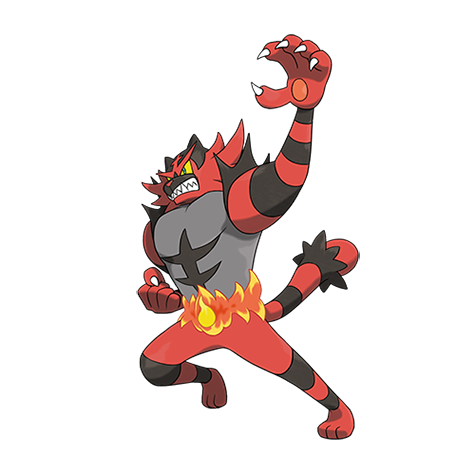
The #1 worldwide support pick. Intimidate immediately drops both opponents' Attack on switch-in; Fake Out controls the pace of Turn 1; Parting Shot lets the Intimidate cycle repeat. This three-tool combination is irreplaceable.
Amoonguss
STop Redirect Pick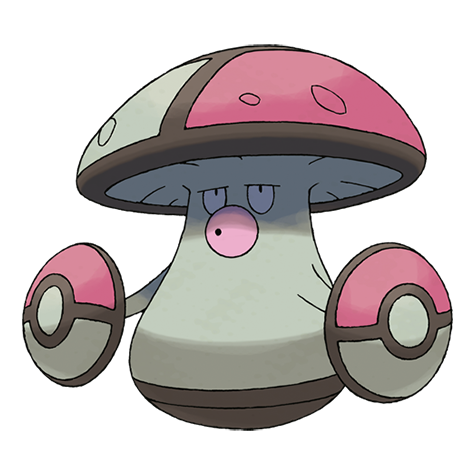
The strongest redirect + sleep lock combination. Rage Powder shields your restricted legendary from targeting; Spore locks one opponent for the remainder of the game. Pollen Puff is a rare partner-heal tool.
Flutter Mane
SOffensive Support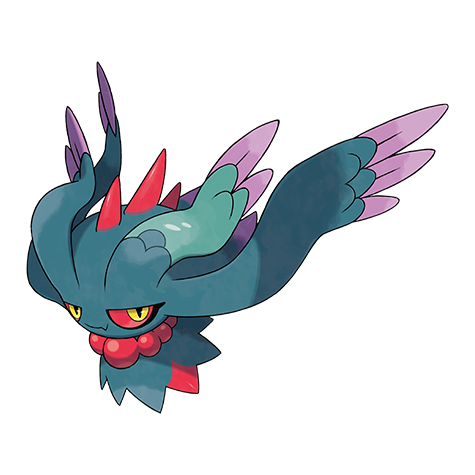
A dual-role attacker that provides speed control while hitting hard. Misty Terrain from Indeedee partner blocks status; Icy Wind handles speed control; extraordinary base Special Attack means it threatens KOs while supporting.
Tornadus
SPrankster Tailwind
Prankster turns Tailwind into a priority move, guaranteeing it activates before opponents can act. The cornerstone of hyper-offense teams, pairing with fast attackers to create an overwhelming Speed advantage.
A-Tier Support Pokémon
A-tier supports excel in specific team archetypes or meta contexts — they may be the best choice depending on your team's specific needs.
| Pokémon | Key Move | Role | Best Item | Note |
|---|---|---|---|---|
Whimsicott | Prankster Tailwind / Helping Hand | Speed control + amplify | Sitrus Berry | Also has Prankster, adds Helping Hand for damage amplification |
Grimmsnarl | Prankster Thunder Wave | Disruption + screens | Light Clay | Reflect and Light Screen are also Prankster-boosted priority moves |
Indeedee-F | Follow Me + Psychic Surge | Redirect + terrain | Sitrus Berry | Auto-sets Psychic Terrain on switch-in; grants partner Ground immunity |
Rillaboom | Grassy Glide (Terrain priority) | Terrain + priority | Assault Vest | Grassy Surge auto-sets terrain; Grassy Glide covers Speed weakness with priority |
Farigiraf | Helping Hand + Sound Block | Support + sound immunity | Sitrus Berry | Sap Sipper absorbs Grass moves; blocks Snarl, Bug Buzz, Hyper Voice |
Murkrow | Prankster Tailwind + Haze | Speed control + reset | Eviolite | Haze clears all stat changes, countering opposing setup sweepers |
Clefairy | Follow Me + Friend Guard | Redirect + damage reduction | Eviolite | Friend Guard reduces ALL damage to allies by 25% — one of the rarest support effects in the game |
Support Move Reference Table
Complete reference for the most-used support moves in VGC — effect, users, and when to use them.
| Move | Type | Effect | Who Uses It |
|---|---|---|---|
| Fake Out | Normal | Priority +3, forces target to flinch this turn | Incineroar, Whimsicott, Rillaboom |
| Follow Me | Normal | Redirects all attacks to the user | Indeedee-F, Clefairy |
| Rage Powder | Bug | Redirects all non-Psychic attacks to user | Amoonguss |
| Tailwind | Flying | Doubles ally Speed for 4 turns | Tornadus, Whimsicott, Grimmsnarl |
| Icy Wind | Ice | Hits both opponents, lowers their Speed -1 | Flutter Mane, Calyrex-Ice |
| Helping Hand | Normal | Boosts partner's move power by 50% this turn | Whimsicott, Farigiraf |
| Spore | Grass | 100% sleep status on target | Amoonguss |
| Thunder Wave | Electric | Paralyzes the target | Grimmsnarl, Regieleki |
| Taunt | Dark | Blocks all non-attacking moves on target | Tornadus, Grimmsnarl |
| Parting Shot | Dark | Lowers target Atk and Sp.Atk, user switches out | Incineroar |
| Scary Face | Normal | Lowers target Speed by -2 | Various physical attackers |
| Electroweb | Electric | Hits both opponents, lowers their Speed -1 | Various Electric-types |
How to Choose Support for Your Team
Work through these five decision criteria to identify the right support Pokémon for your team archetype.
Do you need Fake Out?
Almost AlwaysAlmost always yes. Fake Out gives you Turn 1 tempo control, letting your restricted legendary or key attacker act safely on the first turn. A team with zero Fake Out will consistently lose the early-game priority war against hyper-offense.
Do you need redirection?
Yes for slow restrictedYes if your restricted Pokémon is slow (Calyrex-Ice, Kyogre). Opponents will always prioritize eliminating your primary threat — a redirect user ensures it can set up or attack safely. Fast restricted Pokémon (Koraidon) need it less.
Do you need speed control?
Yes for slow teamsYes if your team's natural Speed is below 80 overall, or your key attacker can't outspeed threats without help. Tailwind lasts 4 turns and completely reverses the Speed landscape. Icy Wind is better on teams that can't afford the 4-turn clock.
Do you need terrain?
Yes for terrain coresIf your team runs terrain-boosted attackers (Grassy Terrain physical sweepers, Psychic Surge special attackers, Misty Terrain immunity users), you need a reliable terrain setter. Some terrain also provides defensive utility (Psychic Terrain blocks priority moves).
What type weaknesses does your team have?
Team-dependentChoose support that patches type holes in your roster. If you have multiple Dragon-types, Flutter Mane's Fairy coverage helps. If you lack Flying-type resistance, a Steel-type support adds useful defensive depth. Always map out shared weaknesses before finalizing support.
Frequently Asked Questions
What are the best support Pokémon in VGC?
S-tier supports are Incineroar, Amoonguss, Tornadus, and Flutter Mane. Incineroar is the most-used VGC support globally thanks to its three-tool Intimidate + Fake Out + Parting Shot combination; Amoonguss is the strongest redirect + sleep lock; Tornadus guarantees Tailwind via Prankster priority; and Flutter Mane is an offensive support that provides speed control while hitting hard.
What is the difference between Fake Out and Follow Me?
Fake Out flinches the target this turn (priority +3) and can only be used on the first turn a Pokémon is in battle — it disrupts the opponent. Follow Me redirects all incoming attacks to the user each turn it is used — it protects your partner. Both are essential VGC tools, but they serve completely different functions.
How many support Pokémon does a VGC team need?
Standard VGC teams typically run 1-2 dedicated support Pokémon. Running too many supports leaves insufficient offensive pressure, making it hard to score KOs under the 7-turn timer. The standard structure is 2 offensive cores + 2 supports + 2 flexible filler Pokémon.
How important is Prankster in VGC?
Prankster gives all status moves +1 priority, making them activate before any non-priority move. This is extremely powerful for Tailwind, Thunder Wave, and Reflect. However, Psychic Terrain blocks Prankster-boosted moves, which is one of the main reasons Indeedee-F sees heavy play — it sets terrain to neutralize opposing Prankster users.
Usage Rate & Meta Data
Incineroar leads all Pokémon at 48.3% usage in Regulation I, while roughly 85% of top-cut teams feature at least one dedicated support pick — confirming that a well-built support core is not optional at high-level VGC play.
Key Damage Calculations
A single Rage Powder use on turn 3 absorbing a spread move preserves your restricted legendary at full HP to set up — the tempo swing this creates is often more decisive than a direct KO.
A single Intimidate drop reduces opposing physical damage by roughly 33%; cycling it via Parting Shot repeatedly converts lethal hits into survivable damage, keeping your backline in the fight.
Prankster Tailwind activates on turn 1 before any opponent acts, giving allies with 80 base Speed a priority window over most unboosted opponents for all four turns — a consistent offensive tempo that hyper-offense teams are built around.
Deep Dive Into Individual Support Guides
Once you've chosen your support, read the individual guide for the best EV spreads, moveset options, and team-specific synergies.